Confidence tier Unsupported

The claim fails against the available evidence.

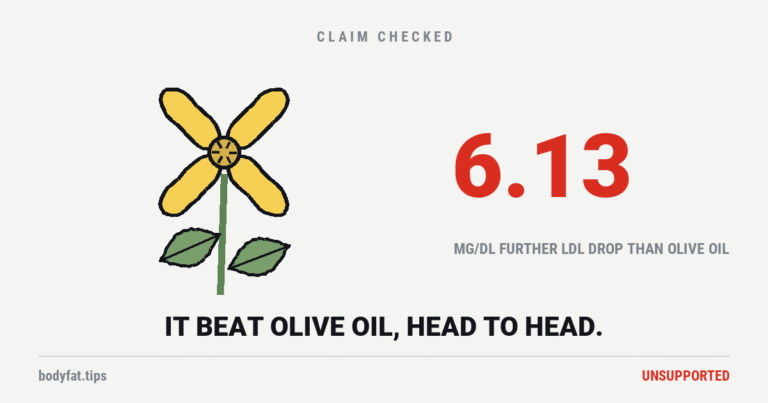
6.13mg/dL further LDL drop than olive oilNOUnsupported

Is Canola Oil Bad For You? The Thing It’s Accused Of Was Bred Out Fifty Years Ago

A cartoon four-petalled canola flower on a stem, beside the figure 6.13

Canola is rapeseed bred low in erucic acid — the name literally means Canadian oil, low acid. The FDA ban people cite was against mustard oil, not this. Erucic acid does fatten animal hearts at high doses, which is why it was bred down to trace levels and is capped by law. And in 13 head-to-head trials, canola lowered LDL more than olive oil did.

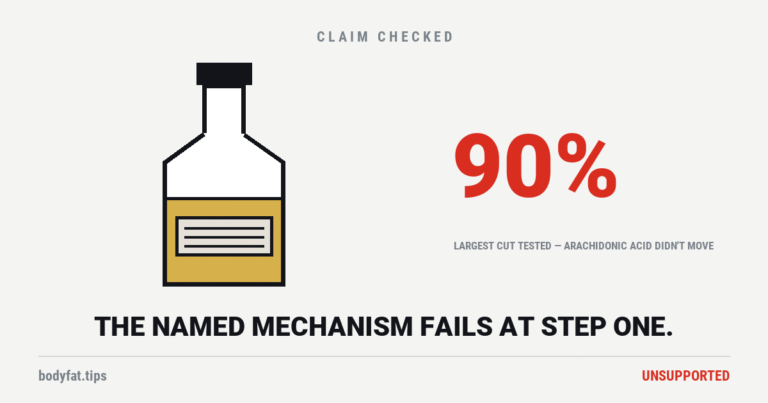
90%cut from the diet — arachidonic acid didn't moveNOUnsupported

Are Seed Oils Bad For You? Both Sides Are Quoting Half The Evidence

A cartoon bottle of cooking oil, part filled, beside the figure 90 percent

Cut dietary linoleic acid by up to 90% and arachidonic acid in the blood doesn't move — the arachidonic acid route to inflammation fails at step one. But two recovered BMJ trials found no mortality benefit, and in one, more men died on the oil. Here is the whole file, including what's wrong with both halves.

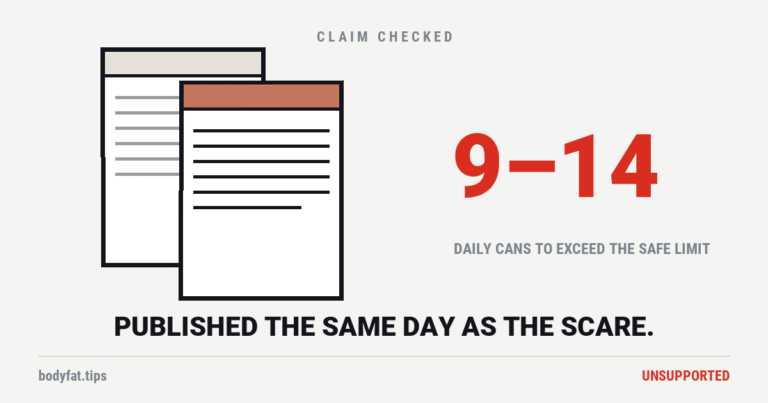
9–14cans a day before a 154 lb adult passes the limit in WHO's release, counting nothing elseNOUnsupported

Is Aspartame Bad For You? Two WHO Reports, One Headline

Two cartoon reports overlapping, one behind the other, beside the figure 9 to 14

On the same day in July 2023, IARC called aspartame 'possibly carcinogenic' — a hazard statement, third of four levels — and JECFA reaffirmed the safe daily intake, noting a 70 kg adult would need 9–14 cans of diet drink a day to exceed it. The press ran the first report. WHO's own nutrition director said safety is not a major concern at normal doses.

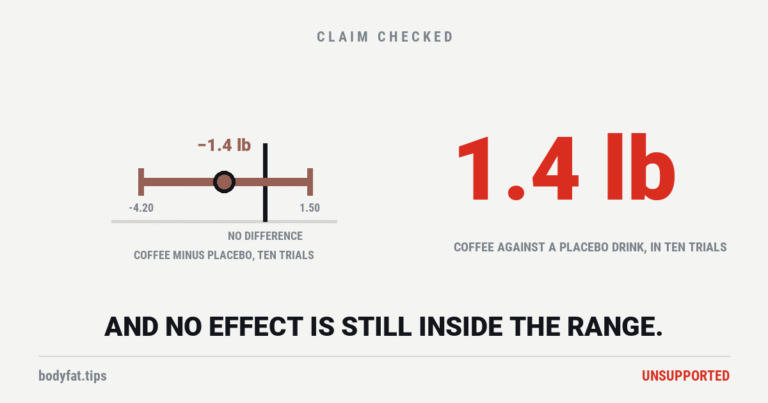
1.4 lbcoffee against a placebo drink, and no effect is inside the rangeNOUnsupported

Does Coffee Help You Lose Weight? Ten Trials Poured Real Coffee. No.

Cartoon interval bar straddling a zero line, running from 4.2 pounds lost to 1.5 pounds gained, beside the figure 1.4 lb

13 trials, 606 people, and a real dose-response — but an I-squared of 94%, meaning the trials flatly disagree, and no figure you could act on. Meanwhile the famous green coffee claim of 17.7 lb 'with or without diet and exercise' came from a study whose weights were altered. It cost $3.5 million and was retracted.