Confidence tier Unsupported

We looked, and the evidence does not back the claim: either it was tested and did not hold up, or nobody has tested it and nothing that was tested supports it.

-91%of the increased-libido reviews vanished when untrustworthy ones were filtered outNOUnsupported

Do Testosterone Boosters Work? The Top 16 Had Never Been Tested as Sold
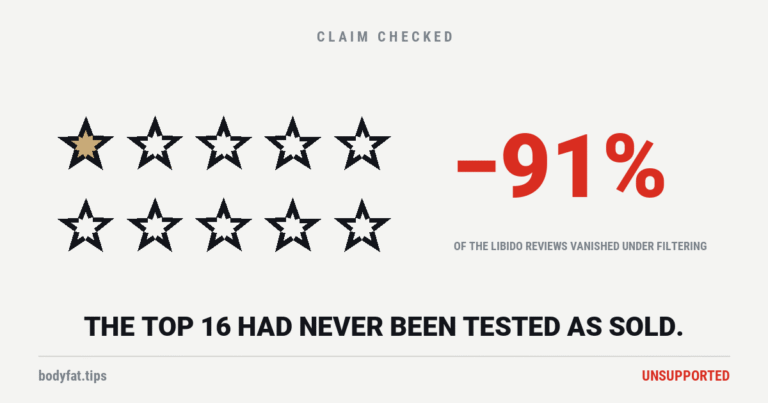
Ten review stars with nine hollow and one filled, beside the figure minus 91 percent

Researchers took the top 16 testosterone and 16 erection supplements at the most popular US online retailers, pulled out their 37 ingredients and found 105 trials — but “no whole supplement products have published RCT evidence.” And reports of better libido fell 91% once untrustworthy reviews were filtered out.
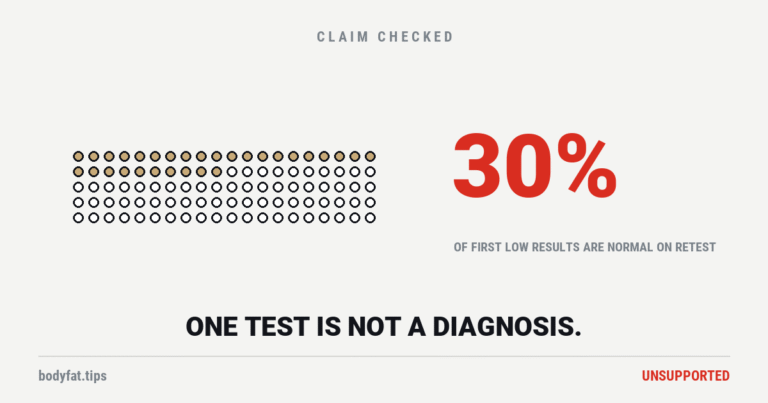
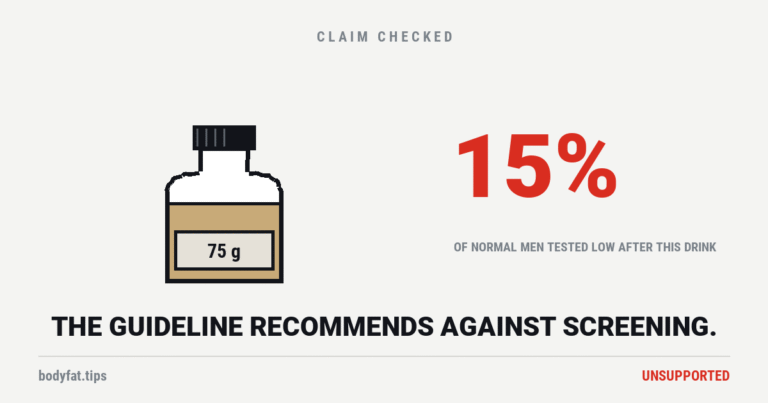
30%of men with a first low testosterone result are normal when retestedNOUnsupported

Normal Testosterone Levels by Age: The 300 Cutoff Came From Older Men

A hundred dots with thirty filled, beside the figure 30 percent

In healthy men aged 19 to 39 the harmonised normal range is 264 to 916 ng/dL: the man at the top has three and a half times the man at the bottom. One reading under 300 is not a diagnosis; the guidelines ask for two early-morning tests and symptoms. And in 197,883 men, time of day moved the number more than decade of life did.

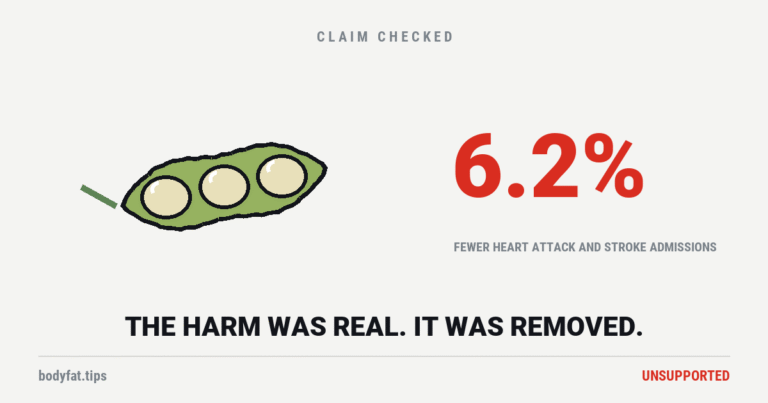
6.2%fewer heart attack and stroke admissions after New York restricted trans fat in eateriesNOUnsupported

Is Vegetable Oil Bad For You? The Hydrogenated Kind Was — And It’s Banned

A cartoon soybean pod split to show three beans, beside the figure 6.2 percent

Partially hydrogenated vegetable oil genuinely harmed people: when 11 New York counties restricted trans fat in eateries, hospital admissions for heart attacks and strokes fell an extra 6.2%. The FDA has since banned it. The fear outlived it and reattached to the oil that's left, which is usually soybean, as the ingredient list will tell you.

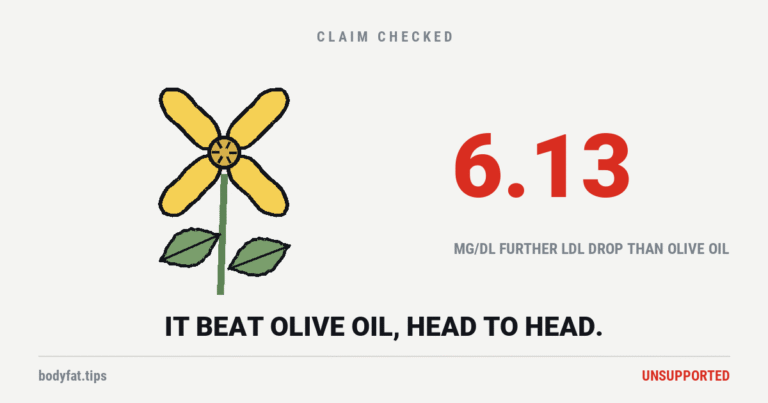
6.13mg/dL further LDL drop than olive oilNOUnsupported

Is Canola Oil Bad For You? The Thing It’s Accused Of Was Bred Out Fifty Years Ago

A cartoon four-petalled canola flower on a stem, beside the figure 6.13

Canola is rapeseed bred low in erucic acid — the name literally means Canadian oil, low acid. The FDA ban people cite was against mustard oil, not this. Erucic acid does fatten animal hearts at high doses, which is why it was bred down to trace levels and is capped by law. And in 13 head-to-head trials, canola lowered LDL more than olive oil did.

90%cut from the diet in a review of trials, and arachidonic acid in blood didn't moveNOUnsupported

Are Seed Oils Bad For You? Both Sides Are Quoting Half The Evidence

A cartoon bottle of cooking oil, part filled, beside the figure 90 percent

In a review of human trials, cutting dietary linoleic acid by up to 90% did not move arachidonic acid in the blood, and three of four later studies we read agree, so the route usually blamed for inflammation mostly fails at step one. But two recovered BMJ trials found no mortality benefit, and in one, more men died on the oil. Here is the whole file, including what's wrong with both halves.

9–14cans a day before a 154 lb adult passes the limit in WHO's release, counting nothing elseNOUnsupported

Is Aspartame Bad For You? Two WHO Reports, One Headline

Two cartoon reports overlapping, one behind the other, beside the figure 9 to 14

On the same day in July 2023, IARC called aspartame 'possibly carcinogenic' — a hazard statement, third of four levels — and JECFA reaffirmed the safe daily intake, noting a 70 kg adult would need 9–14 cans of diet drink a day to exceed it. The press ran the first report. WHO's own nutrition director said safety is not a major concern at normal doses.